Our story

Bought, restored, shared.

Staddle Stones & Manor was built sometime in the middle of the sixteenth century — originally as two separate cottages, joined together at some point thereafter. The exact date is, as with many houses of this age, a matter of conjecture and local opinion.

Our family bought the house with the intention of keeping it well, and of letting it be enjoyed. It is now in the careful hands of a small team — a gardener, a housekeeper, the family — and shared with guests who feel the way we do about a quiet weekend.

The grounds are kept gently rather than manicured. The hedgerow is allowed to do what hedgerow does. The orchard fruits in autumn, the daffodils come up in March, the camellias do their thing in April. We try to leave things mostly alone.

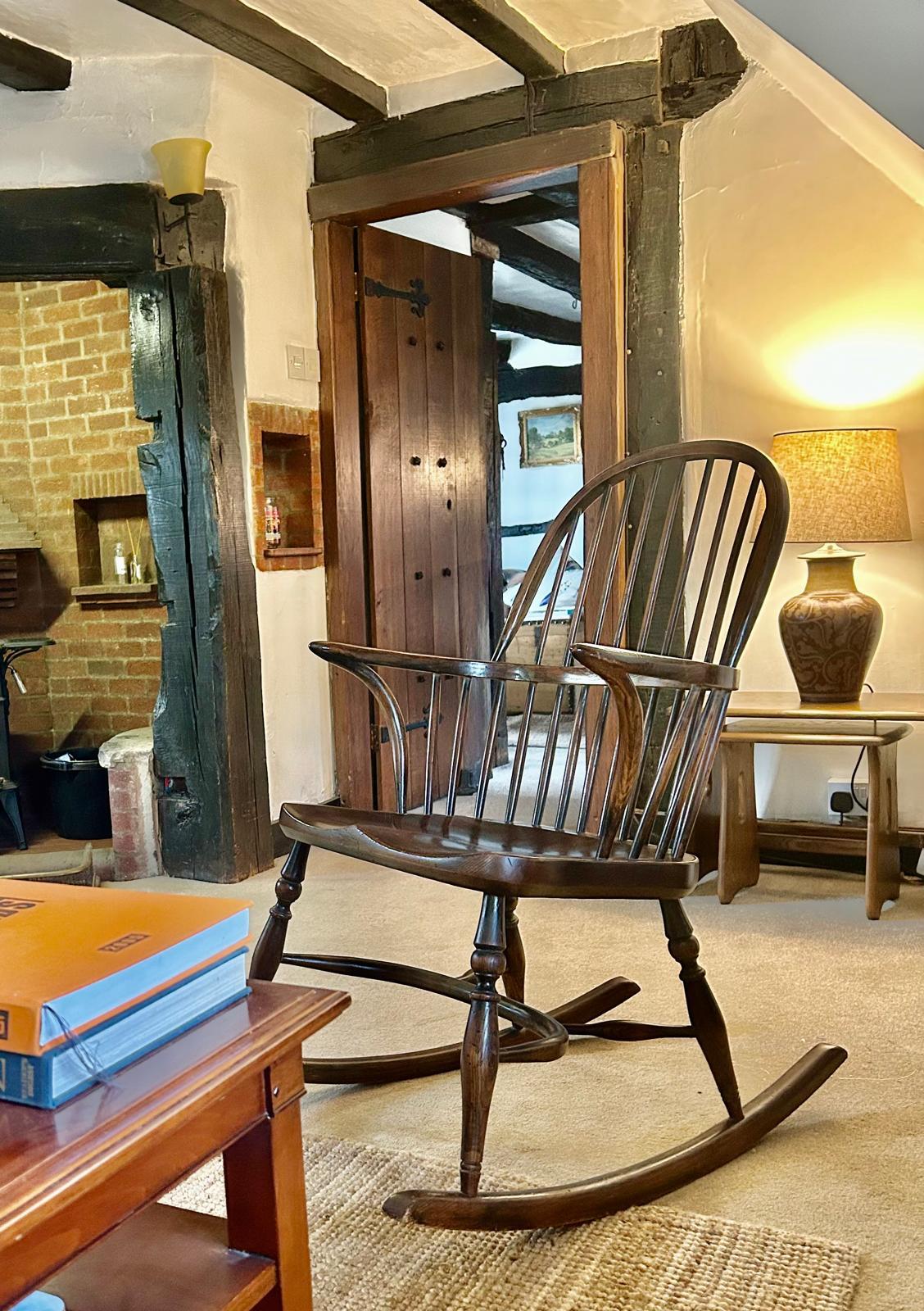
Antique Windsor rocking chair beside the inglenook
The house

A Grade II listing,
earned the long way.

The cottage is Grade II listed, which is to say that the country has recognised it as worth keeping. Beams, leaded windows, timber framing, inglenooks — the original fabric remains, more or less, where it has been for half a millennium. We've added what's needed (heating, plumbing, the obvious) and tried to do nothing that anyone in 1550 would have found objectionable.
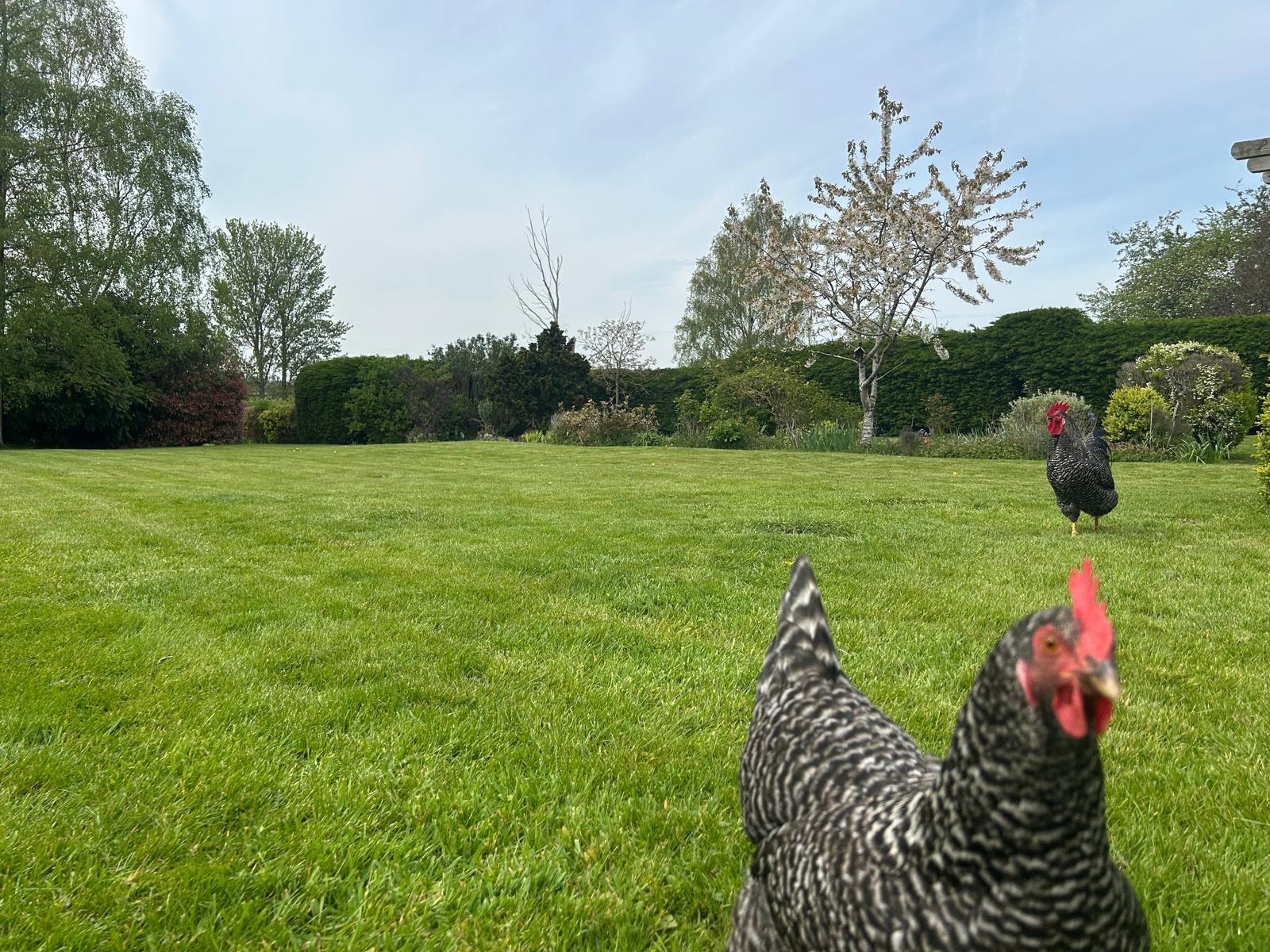
One of the cottage chickens
The garden

Mature, mostly,
and forgiving.

The garden was already established when we arrived — camellias, cherry trees, mature hedging, a stone trough or two of unknown provenance. We've added a wood-fired hot tub, a few sun terraces, and a path to the paddock. The seven and a half acres beyond the garden are kept as paddock, with a public footpath running along the eastern edge.
How we run things

A few small principles, kept consistently.

i.

Slowly

A two-night minimum, because anything shorter doesn't do the place justice. Most guests find a long weekend goes faster than they'd planned.

ii.

Directly

We prefer direct enquiries to booking platforms — fewer fees for us, better rates for you, and a real person at the other end of the email.

iii.

Quietly

No weddings, no large parties. The house is for small groups, families, and people who want to be left alone for a bit. The neighbours appreciate it, and so will you.

Looking ahead

Plans, in pencil.

The original outbuildings — a wisteria-clad brick barn, stables, a tack room, hay lofts, a workshop — sit alongside the cottage and total close to two thousand square feet between them.

In the coming years, and with the necessary permissions, we plan to convert several of these into independent guest accommodation, each named for what it once was: the Tack Room, the Hay Loft, the Cart Lodge. The aim is a small collection of distinct, deliberately separate spaces — bookable singly, or as a whole. Returning guests will be the first to know when each opens.

For now, the cottage is the cottage, and we'd rather get one thing right than several things in a hurry.

The staddle stones, on the lawn — for which the house is named.
The small things

Collected, not decorated.

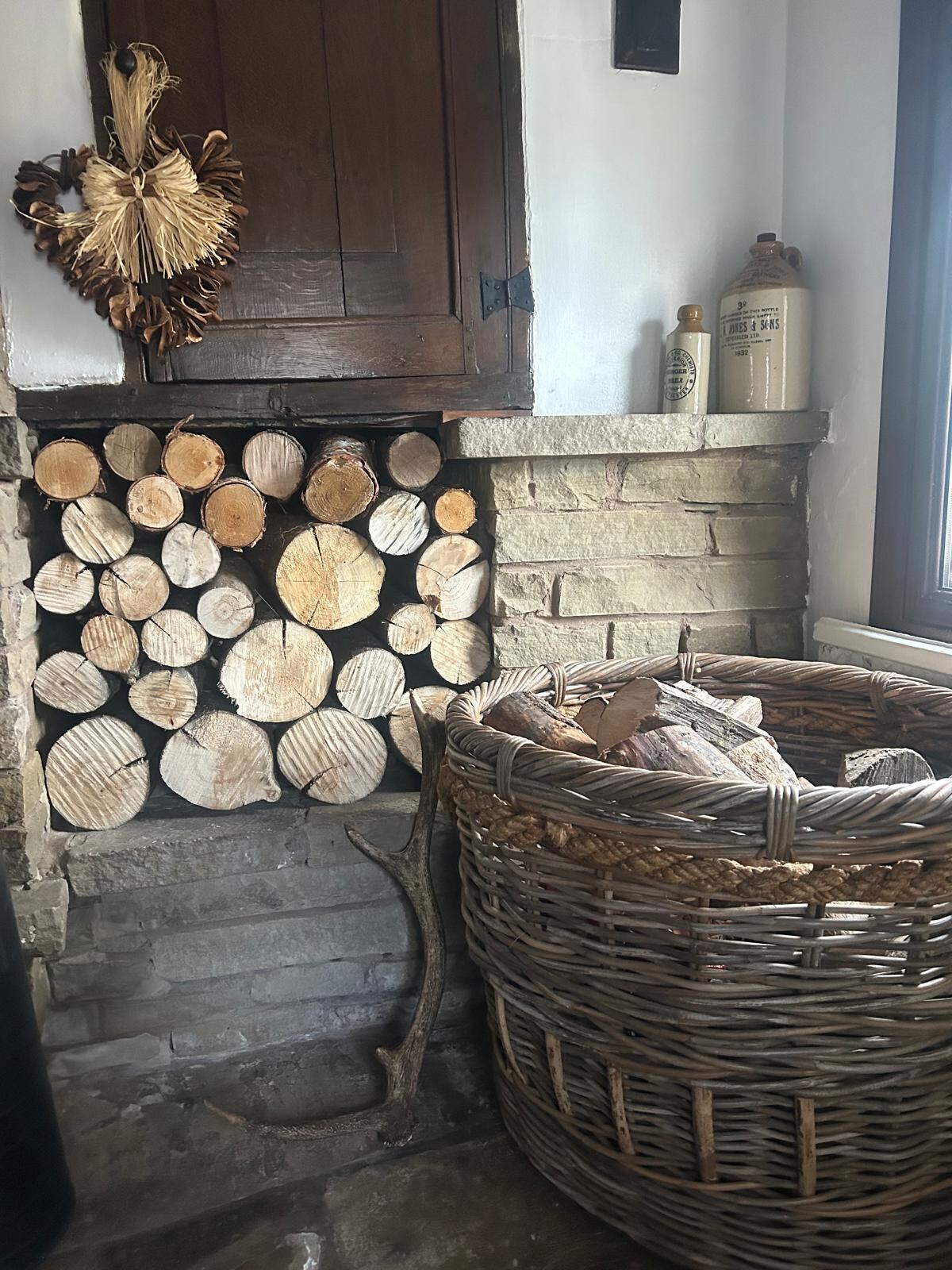
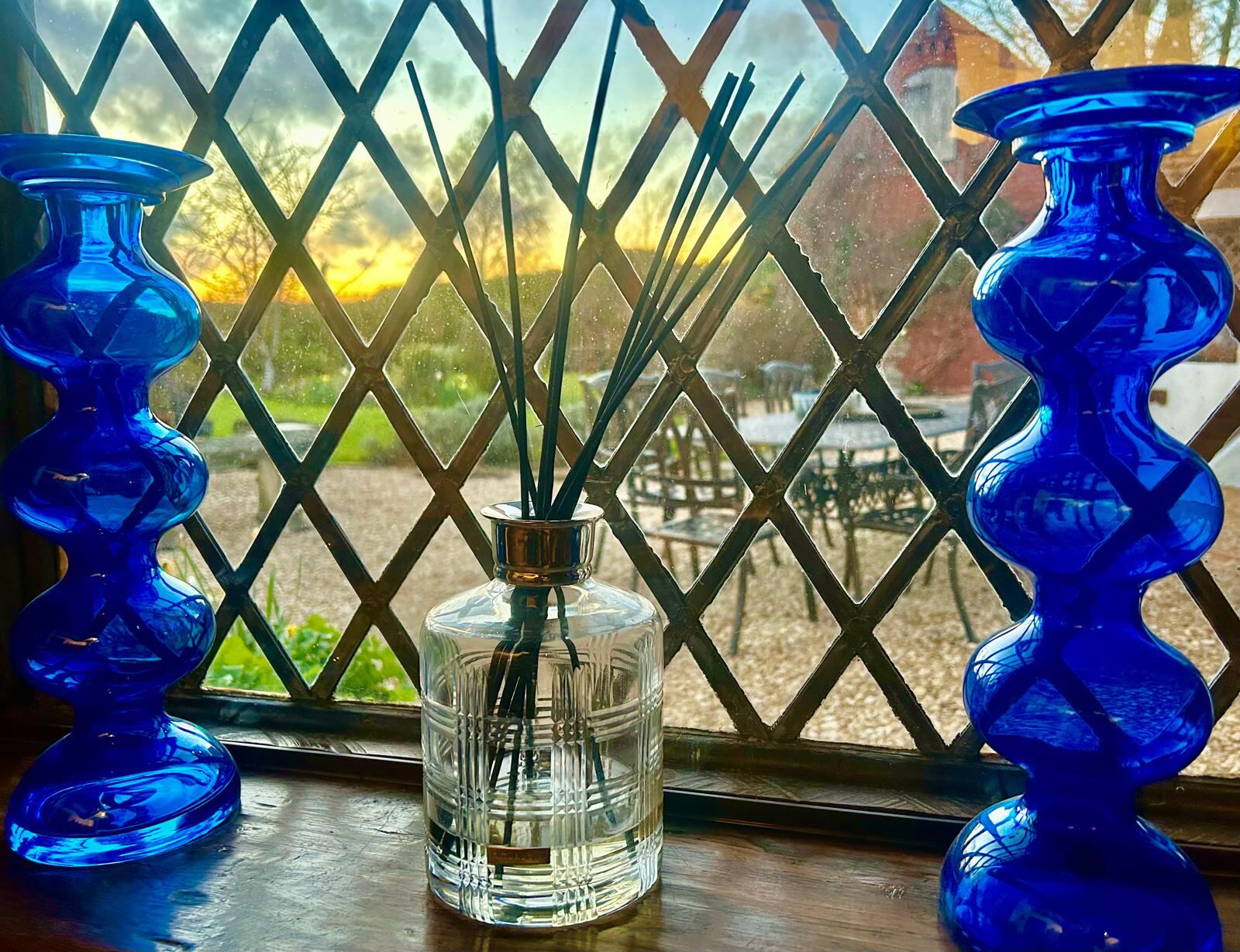
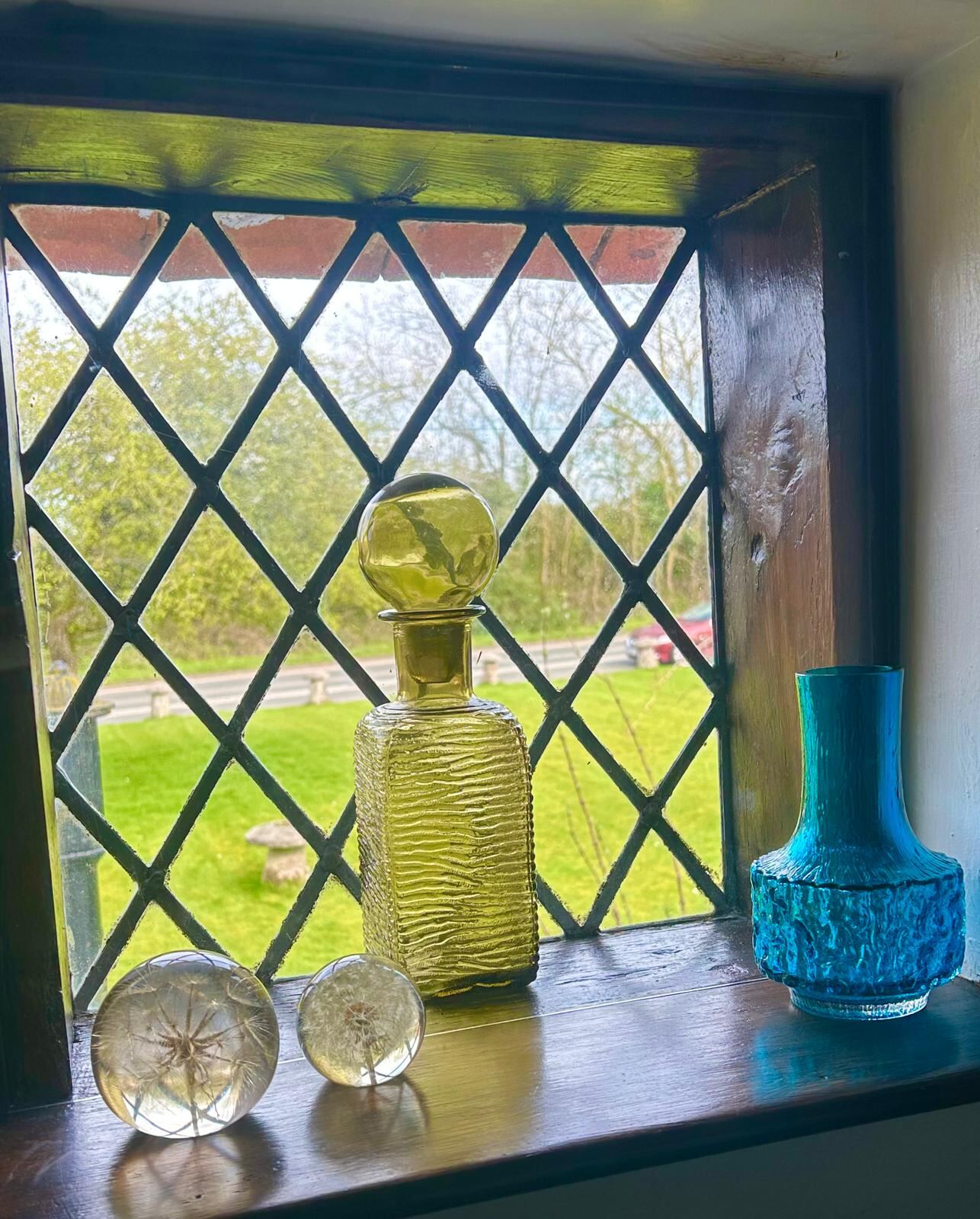
Most of what's in the cottage arrived slowly — auction lots, salvage yards, things that caught an eye. Blue glass on the windowsills, antique stoneware by the wood burner, a basket of logs by the hearth. None of it matches, and that's rather the point.

Blue glass vases at a leaded window Coloured glass on a windowsill The log store and wicker basket by the hearth
A note on the name

Staddle stones are mushroom-shaped pieces of carved stone, used historically as foundations for granaries and hayricks — keeping the timber off the ground and the rats out of the grain. A small set of them sits on the front lawn. We've no idea where they came from, but they were here when we arrived, and they'll be here when we go.

Come and see

Stay a while

The kettle is on, the hot tub is warm, and the cherry trees are very nearly in blossom.

Enquire about a stay